
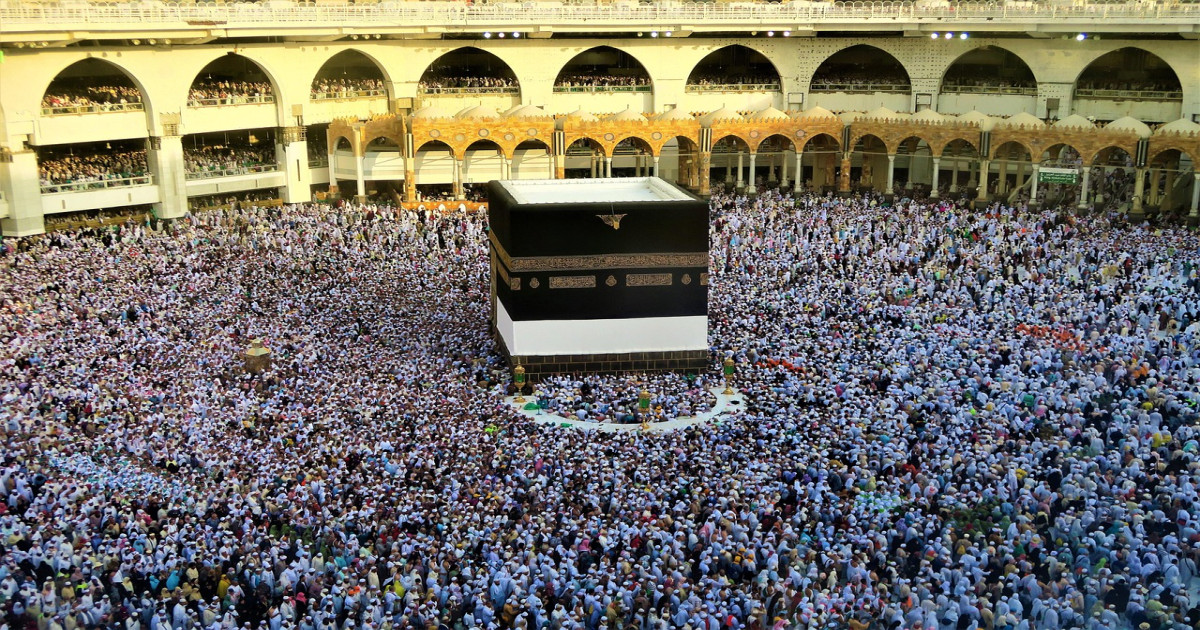

What to Do If You Fall Sick During Umrah: Saudi Hospital & Insurance Access
Umrah is a spiritual journey, but unexpected illness can turn a blessed trip into a stressful experience. Saudi Arabia offers a modern healthcare system, but pilgrims must know the right procedures, insurance obligations, and local resources to receive prompt care. This guide walks you through the essential steps, from recognizing symptoms to reaching a hospital, while keeping your visa status and travel insurance in mind.
1. Recognize the Severity of Your Condition
Before seeking medical help, assess whether your condition is an emergency. Typical red‑flag symptoms that require immediate attention include:
- Severe chest pain or difficulty breathing
- High fever (> 39°C / 102°F) with chills
- Uncontrolled bleeding or severe injuries
- Sudden loss of consciousness or seizures
- Persistent vomiting or diarrhea leading to dehydration
If any of these arise, call 997 (Saudi emergency medical services) right away. For non‑critical issues, you can visit a primary health center (PHC) or a private clinic.
2. Know Your Insurance Coverage
All Umrah pilgrims must have a Saudi‑approved travel health insurance policy. The policy should cover:
- In‑patient hospitalization
- Out‑patient consultations and medication
- Emergency evacuation (if needed)
- COVID‑19 testing and treatment (if applicable)
Keep a digital or printed copy of your insurance card, policy number, and the insurer’s 24‑hour hotline. When you arrive at a hospital, present this information at the reception desk; the hospital will verify coverage before any treatment.
3. Choose the Right Healthcare Facility
Public Hospitals
Public hospitals such as King Abdulaziz Medical City (KAMC) in Riyadh, King Fahd Hospital in Jeddah, and the Al-Masjid an‑Nabawi Hospital in Medina provide high‑quality care at rates covered fully by most insurance plans. Expect longer waiting times, especially during Hajj season.
Private Clinics & Hospitals
If you need faster service, private facilities like Al‑Mouwasat Hospital (Riyadh) or Saudi German Hospital (Jeddah) are excellent choices. They usually have English‑speaking staff and shorter queues, but confirm that they accept your insurance before admission.
4. Practical Steps When You Arrive at a Hospital
- Registration: Show your passport, Umrah visa, and insurance card. The registration clerk will create a temporary patient file.
- Medical Assessment: A doctor will evaluate your condition and order necessary tests.
- Payment: Most insurance policies settle the bill directly with the hospital. Keep receipts for any out‑of‑pocket expenses for future reimbursement.
- Medication: Pharmacies inside the hospital dispense prescribed drugs. If you need to buy medication elsewhere, keep the prescription and receipt.
- Discharge Instructions: Follow the doctor’s advice on rest, diet, and follow‑up visits. Ask for an English translation if needed.
5. Tips for a Smooth Recovery While on Umrah
- Stay Hydrated: The desert climate can worsen dehydration.
- Rest in a Quiet Area: Many hotels near the Holy Mosques have dedicated “quiet floors” for ill pilgrims.
- Notify Your Group Leader: If you are traveling with an organized group, inform the guide so they can adjust the itinerary.
- Keep a Copy of All Documents: A digital copy of your passport, visa, insurance, and medical reports helps if you need to travel back home.
6. When to Consider Evacuation
If your condition requires specialized treatment unavailable locally (e.g., advanced cardiac surgery), contact your insurer’s emergency line. Many policies include medical evacuation to your home country or a neighboring nation with advanced facilities. The insurer will coordinate with the Saudi Ministry of Health to arrange safe transport.
FAQ – What to Do If You Fall Sick During Umrah
Do I need a special visa to receive medical treatment in Saudi Arabia?
No. Your regular Umrah visa allows you to access public and private hospitals. The only requirement is a valid insurance policy that meets Saudi regulations.
What is the emergency phone number for medical assistance?
Dial 997 for ambulance services. The operator speaks Arabic and English and will dispatch the nearest emergency medical team.
Can I use my home country’s health insurance in Saudi Arabia?
Only if the policy is specifically approved for Saudi travel. Most pilgrims must purchase a Saudi‑approved travel health insurance before departure.
Are there English‑speaking doctors available?
Yes, especially in private hospitals and larger public facilities. Ask the reception for an English‑speaking physician.
By understanding the Saudi healthcare landscape, keeping your insurance documents handy, and acting quickly, you can protect your health and continue your spiritual journey with peace of mind.